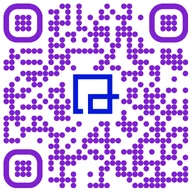
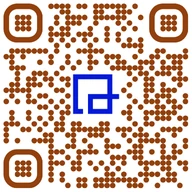
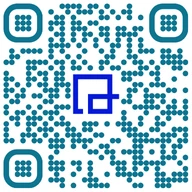
A standard QR code sends everyone to the same link. A serialized QR code is unique to one physical unit — so when it's copied and scanned from ten different places, the system catches it. This is how to build that system.
It's a serialized code unique to every single unit shipped. Instead of one static QR code printed across an entire product line, each box, bottle, or unit gets its own identity. When someone scans it, the system checks whether that specific code is valid, how many times it's been scanned, and from where.
The part that actually matters: the QR code itself is never the security mechanism — a photograph of any QR code can be reprinted. What makes it copy-resistant is the verification layer behind it: a unique, non-sequential ID per unit, tracked scan history, and rules that flag abnormal scan patterns.
Unique Product ID
A serialized, non-sequential code that can't be guessed or predicted from another unit's code.
Real-Time Verification
Customers scan with a stock smartphone camera and see an instant authentication result.
Batch Tracing
Pinpoint exactly which manufacturing line, day, and shift a specific unit came from.
Distributor Tracking
See which wholesaler last scanned and handled a given batch.
Tamper Evidence
Automatically flag codes scanned in different cities within an implausibly short window.
Proof of Purchase
Log validation timestamps to support product age checks and warranty claims.
Where Counterfeiting Matters Most.
Some categories carry real safety and liability risk when a fake gets through. These are the industries product verification protects hardest.
Global trade in counterfeit and pirated goods reached an estimated $467 billion — up to 2.3% of world trade and 4.7% of EU imports — according to the OECD and EUIPO's Mapping Global Trade in Fakes 2025 report. Clothing, footwear, and leather goods alone account for 62% of all seized counterfeit items.
Brand Damage
Customers who unknowingly buy a fake blame you when it fails, not the counterfeiter. Reviews, returns, and trust all take the hit.
Safety Risk
Substandard materials in fake chemicals, cosmetics, or electrical parts turn a counterfeiting problem into a liability problem.
Lost Revenue
Every fake sold is a sale stolen from your channel, and undercuts the authorized dealers who play by the rules.
The Core Mechanism
Three Verification States, Not Two.
A binary "valid or invalid" check misses the most common counterfeiting pattern: a genuine code, copied and reprinted on fakes. Scan intelligence — tracking frequency, location, and timing per unique ID — is what separates a real anti-counterfeit system from a QR code that just says "authentic" no matter what.
Authentic
The code exists, matches a real unit, and its scan pattern looks normal — first scan, or scans consistent with a single item moving through one supply chain.
Suspicious
A valid code, but scanned an unusual number of times or from geographically implausible locations in a short window — the signature of a copied label.
Invalid
The code doesn't exist in the database at all, or has been explicitly revoked — a strong signal of a fabricated or entirely fake code.
A Worked Example
Code 8F7K2P9Q4M is scanned in Mumbai on Aug 28 — first scan, marked Authentic. Two days later, the same code is scanned in New Delhi. Since that's the second scan of a product typically expected to be scanned once, the system flags it Suspicious and surfaces both scan locations to the customer and to you.
For High-Value Goods
Add a Hidden Second Factor.
A visible QR code alone can still be photographed. For premium products — spirits, luxury accessories, prescription medication — pair the QR with a scratch-off panel hiding a second code.
The customer scans the visible QR and enters the hidden code from underneath the scratch panel. Verification only passes when both match. A counterfeiter would need to clone both the printed QR and the concealed secret — substantially harder than copying a photo.
Package Front
SCAN TO VERIFY
Scratch to Reveal
9284-1736-5521
Serialized vs. Non-Serialized QR Codes.
The single most common mistake in anti-counterfeit QR deployments: printing the same code on every unit.
Capability
Non-Serialized (One Code, Every Unit)
Serialized (Unique per Unit)
Identifies which specific unit was scanned
Non-Serialized
Serialized
Detects a copied label reprinted on fakes
Non-Serialized
Serialized
Supports per-unit batch and distributor tracing
Non-Serialized
Serialized
Enables scan-frequency anomaly detection
Non-Serialized
Serialized
Cheaper and simpler to generate
Non-Serialized
Serialized
Generate serialized codes at scale with the Bulk QR Code Generator — one unique, non-sequential code per row from a CSV or Excel file.
Use Cases & Examples.
🏗️ Waterproofing & Building Chemicals
A manufacturer of liquid polyurethane membranes prints a unique QR code on every 5-gallon pail. Contractors scan before mixing to confirm the batch is genuine, pull the application manual, and activate the project warranty on the spot.
Result: fewer counterfeits reaching job sites, and a warranty record tied to a verified, authentic batch.
💄 Premium Cosmetics & Skincare
A boutique skincare brand places a scratch-off QR code on each serum box. Customers scratch to reveal the code, scan it, and confirm the active ingredients are genuine before applying it to their skin — exactly the two-factor pattern described above.
Result: verified ingredient sourcing shown at the point of use, and a direct channel back to the brand's loyalty program.
Key Benefits
Clear Brand Control
Stop bad reviews from fake products and show partners you actively police your supply chain.
Customer Safety
Give customers certainty that they're using safe, tested products — and build trust through transparency.
Gray Market Tracking
Spot parallel imports and unauthorized resellers moving product outside their agreed territory.
Plug Revenue Leaks
Pull buyers of fakes back toward authorized, verified channels.
Frictionless Audits
Field reps can scan shelf stock in any retail location and instantly spot unauthorized inventory.
Legal Evidence
Scan-location and timestamp data can support trademark and IP enforcement action.
Implementation Guide
1. Map your serial fields
Decide what data links to each code — product name, manufacturing date, factory location, and target distributor.
2. Generate serialized codes
Use the bulk generator to export unique, randomized QR URLs at scale — never sequential IDs like 0001, 0002.
3. Integrate into your printing line
Feed the generated data into your industrial or thermal label printer, applied directly to packaging or security seals.
4. Build the verification page
A mobile-optimized page on your own custom domain, in your brand colors, with a clear result: verified genuine or flagged.
5. Monitor the dashboard
Watch for duplicate-scan warnings, high scan counts on single codes, and unexpected geographic hot spots.
Best Practices
Security
Never use sequential IDs — counterfeiters can guess the next one.
Set a maximum scan threshold before flagging as suspicious.
Track user-agent data to block automated scraping of the database.
QR Placement
Print on a flat surface that won't distort under camera light.
At least 1×1 inch for reliable scans in low light.
Use scratch-off panels for high-value items to prevent pre-purchase scanning.
Customer Guidance
Add a clear call-to-action: "Scan to verify authenticity."
Show exactly what a genuine result looks like.
Provide a support link for anything flagged suspicious.
A unique, non-sequential identifier assigned to a single physical unit and checked against a verification system when scanned. Unlike a standard QR code that just links everyone to the same page, its value comes from what happens after the scan: the system checks whether that exact code exists, how many times it has been scanned, and from where.
Is there really such a thing as a copy-proof QR code?
The QR pattern itself can always be photographed and reprinted — no visual code is un-copyable. What makes a QR code copy-proof in practice is the verification layer behind it: a unique, randomized ID per unit, tracked scan history, and automatic flags when the same code is scanned an abnormal number of times or from implausible locations.
How do I check if a product is original using a QR code?
Scan the code with your phone's native camera — no app needed. A genuine verification system shows a clear result (such as "Verified Genuine") along with batch and manufacturing details. Be cautious if the QR just opens a generic website with no specific verification result.
What's the difference between a serialized and a non-serialized QR code?
A non-serialized QR code is identical across every unit — the same code on all 10,000 bottles proves nothing about which specific bottle is being scanned. A serialized QR code is unique to one unit, which is what makes duplication detectable.
Can QR codes be copied or counterfeited?
The image itself can always be copied. What can't be easily replicated is passing verification: the system tracks scan count, location, and timing per unique ID, and flags patterns consistent with a duplicated code.
Do customers need an app to verify products?
No. Customers scan with their standard iPhone or Android camera — it goes directly to a verification page, no app download required.
How do you prevent QR code duplication?
Each unit gets a unique, non-sequential ID linked to one specific product. If the same ID is scanned an unusual number of times, or from geographically implausible locations, it's flagged as suspicious.
Can I track products through the supply chain?
Yes. QR codes can trace products from manufacturing through distribution to end customers, showing which distributors handled a batch and surfacing unauthorized distribution channels.
What happens when a counterfeit is detected?
The verification page can prompt the customer for where they purchased the item, giving you evidence and seller information to investigate.
Is this suitable for all product types?
It's most valuable for high-value goods, products with safety implications, or categories with high counterfeiting rates — pharmaceuticals, luxury fashion, electronics, cosmetics, food and spirits, and automotive parts.
 By Eshwar Deshmukh
· Updated